
Personalized orthotics and bracing are designed to support alignment, protect joints, and improve mobility
Request an appointment to feel more comfortable and secure while moving.


Personalized orthotics and bracing are designed to support alignment, protect joints, and improve mobility
Request an appointment to feel more comfortable and secure while moving.
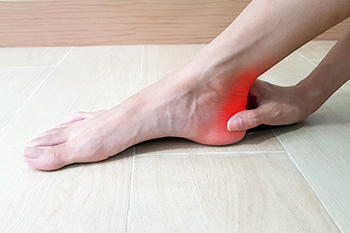 Achilles tendinitis involves inflammation of the Achilles tendon, the strong band of tissue that connects the calf muscles to the heel bone. It commonly develops from overuse, repetitive stress, or sudden increases in physical activity. Tight calf muscles, wearing improper footwear, and poor training habits can also contribute to this condition. Risk factors include aging, flat feet, high arches, and participation in high-impact sports. Symptoms often include pain and stiffness along the back of the heel, swelling, and discomfort that worsens with activity. A provider can evaluate the tendon, recommend stretching and strengthening programs, and provide treatment to reduce inflammation and prevent further injury. If you have any of the above symptoms, it is suggested that you consult a specialist who can accurately diagnose and treat the condition.
Achilles tendon injuries need immediate attention to avoid future complications. If you have any concerns, consult with one of our specialists, and we can provide the care you need to keep you pain-free and on your feet.
What Is the Achilles Tendon?
The Achilles tendon is a tendon that connects the lower leg muscles and calf to the heel of the foot. It is the strongest tendon in the human body and is essential for making movement possible. Because this tendon is such an integral part of the body, any injuries to it can create immense difficulties and should immediately be presented to a provider.
What Are the Symptoms of an Achilles Tendon Injury?
There are various types of injuries that can affect the Achilles tendon. The two most common injuries are Achilles tendinitis and ruptures of the tendon.
Achilles Tendinitis Symptoms
Achilles tendon injuries are diagnosed by a thorough physical evaluation, which can include an MRI. Treatment involves rest, physical therapy, and in some cases, surgery. However, various preventative measures can be taken to avoid these injuries, such as:
Thorough stretching of the tendon before and after exercise
Strengthening exercises like calf raises, squats, leg curls, leg extensions, leg raises, lunges, and leg presses
If you have any questions, please feel free to contact our offices located in Kitchener, Owen Sound,Cambridge,and Waterloo, ON.
 Foot pain is a common issue that can affect people of all ages, and the causes can vary. One of the most common causes is plantar fasciitis, which results in pain at the bottom of the heel and arch, often felt during the first steps in the morning. Foot osteoarthritis can cause pain in the joints of the foot, particularly the big toe, leading to stiffness and swelling. Another cause is posterior tibial tendonitis, which affects the inner ankle and can radiate through the arch, leading to pain and difficulty with movement. Additionally, tarsal tunnel syndrome, caused by compression of the tibial nerve, results in pain, tingling, or numbness on the inside of the foot and ankle. If you have any type of foot pain, it is strongly suggested that you promptly contact a podiatrist who can accurately diagnose and treat various foot conditions.
Foot pain can be extremely painful and debilitating. If you have foot pain, consult with one of our specialists, and we will assess your condition and provide you with quality foot and ankle treatment.
Causes
Foot pain is a very broad condition that could be caused by one or more ailments. The most common include:
Diagnosis
To figure out the cause of foot pain, podiatrists utilize several different methods. This can range from simple visual inspections and sensation tests to X-rays and MRI scans. Prior medical history, family medical history, and any recent physical traumatic events will all be taken into consideration for a proper diagnosis.
Treatment
Treatment depends upon the cause of the foot pain. Whether it is resting, staying off the foot, or having surgery, podiatrists have a number of treatment options available for foot pain.
If you have any questions, please feel free to contact our offices located in Kitchener, Owen Sound,Cambridge,and Waterloo, ON.
Read More About Foot Pain

When your feet aren’t properly supported, every step creates extra stress on your joints and soft tissues. Custom orthotics provide targeted support that absorbs pressure, improves alignment, and reduces strain throughout your body.
Request an appointment today and experience how the right support can keep you moving.
Heel pain can make standing and walking difficult. Several conditions can cause pain in the heel. One common cause is plantar fasciitis, which occurs when the plantar fascia becomes irritated. The plantar fascia is a thick band of tissue that connects the heel bone to the front of the foot. This condition often causes sharp pain when people first begin walking after rest. Achilles tendonitis is another cause. It develops when the Achilles tendon, which connects the calf muscles to the heel bone, becomes inflamed from overuse. Heel bursitis can also lead to pain. Bursae are small fluid-filled sacs that reduce friction around joints, and when they become inflamed, pain and swelling may occur. In some cases, heel pain may result from a fracture, which is a break in the heel bone. A podiatrist can determine the exact cause of heel pain and provide proper treatment. If you are experiencing heel pain, it is suggested that you make an appointment with a podiatrist for help.
Causes of Heel Pain
Heel pain is often associated with plantar fasciitis. The plantar fascia is a band of tissue that extends along the bottom of the foot. A rip or tear in this ligament can cause inflammation of the tissue.
Achilles tendonitis is another cause of heel pain. Inflammation of the Achilles tendon will cause pain from fractures and muscle tearing. Lack of flexibility is also another symptom.
Heel spurs are another cause of pain. When the tissues of the plantar fascia undergo a great deal of stress, it can lead to ligament separation from the heel bone, causing heel spurs.
Why Might Heel Pain Occur?
Heel pain should be treated as soon as possible for immediate results. Keeping your feet in a stress-free environment will help. If you suffer from Achilles tendonitis or plantar fasciitis, applying ice will reduce the swelling. Stretching before an exercise like running will help the muscles. Using all these tips will help make heel pain a condition of the past.
If you have any questions, please feel free to contact our offices located in Kitchener, Owen Sound,Cambridge,and Waterloo, ON.
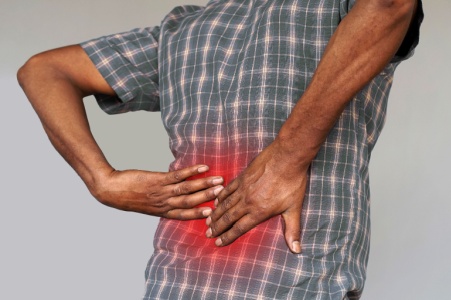 Back pain involves discomfort, tension, or aching in the muscles, joints, or structures of the spine. It may affect the upper back, middle back, or lower back, and can range from mild soreness to persistent pain that interferes with daily activity. Different types of back pain include muscle strain, joint irritation, nerve-related discomfort, and age-related spinal changes. Causes may include poor posture, repetitive movement, injury, prolonged sitting, or physically demanding work. If you have ongoing back pain, it is suggested that you consult our provider, who can provide appropriate relief solutions.
Finding Lasting Relief for Back Pain with Orthotics and Bracing
Back pain is one of the most common issues people face, often caused by poor posture, muscle strain, or improper alignment in the feet, knees, or hips. This pain can range from a dull ache to sharp, debilitating discomfort, affecting daily life and mobility. Orthotics and bracing offer a non-invasive, drug-free approach to managing and relieving back pain by improving overall body alignment and support.
Specialists assess how your body moves and identify imbalances or structural issues that may contribute to back pain. Custom orthotics help correct foot alignment, which can improve posture and reduce strain on the spine. Bracing solutions provide additional support to stabilize affected areas, reduce pressure, and promote proper movement patterns.
In addition to orthotics and bracing, providers may recommend stretches and exercises to strengthen the core and back muscles, helping to support proper posture. Guidance on daily activities—such as standing, walking, and lifting techniques—can also help prevent further strain and discomfort.
How Often Should I Use Orthotics or Bracing for Back Pain?
Usage depends on your specific condition, but many patients benefit from consistent daily use to maintain proper alignment and reduce pain over time.
Why Choose Orthotics and Bracing for Back Pain?
Orthotics and bracing provide a comprehensive approach to managing back pain by addressing the underlying causes of misalignment. This approach promotes long-term relief, improved mobility, and better overall function without relying on medication.
How Quickly Can I Expect Relief from Back Pain?
Relief varies depending on the individual, but many patients notice improvements in comfort and mobility within a few weeks of consistent use.
If you have any questions, please feel free to contact our offices located in Kitchener, Owen Sound,Cambridge,and Waterloo, ON.
